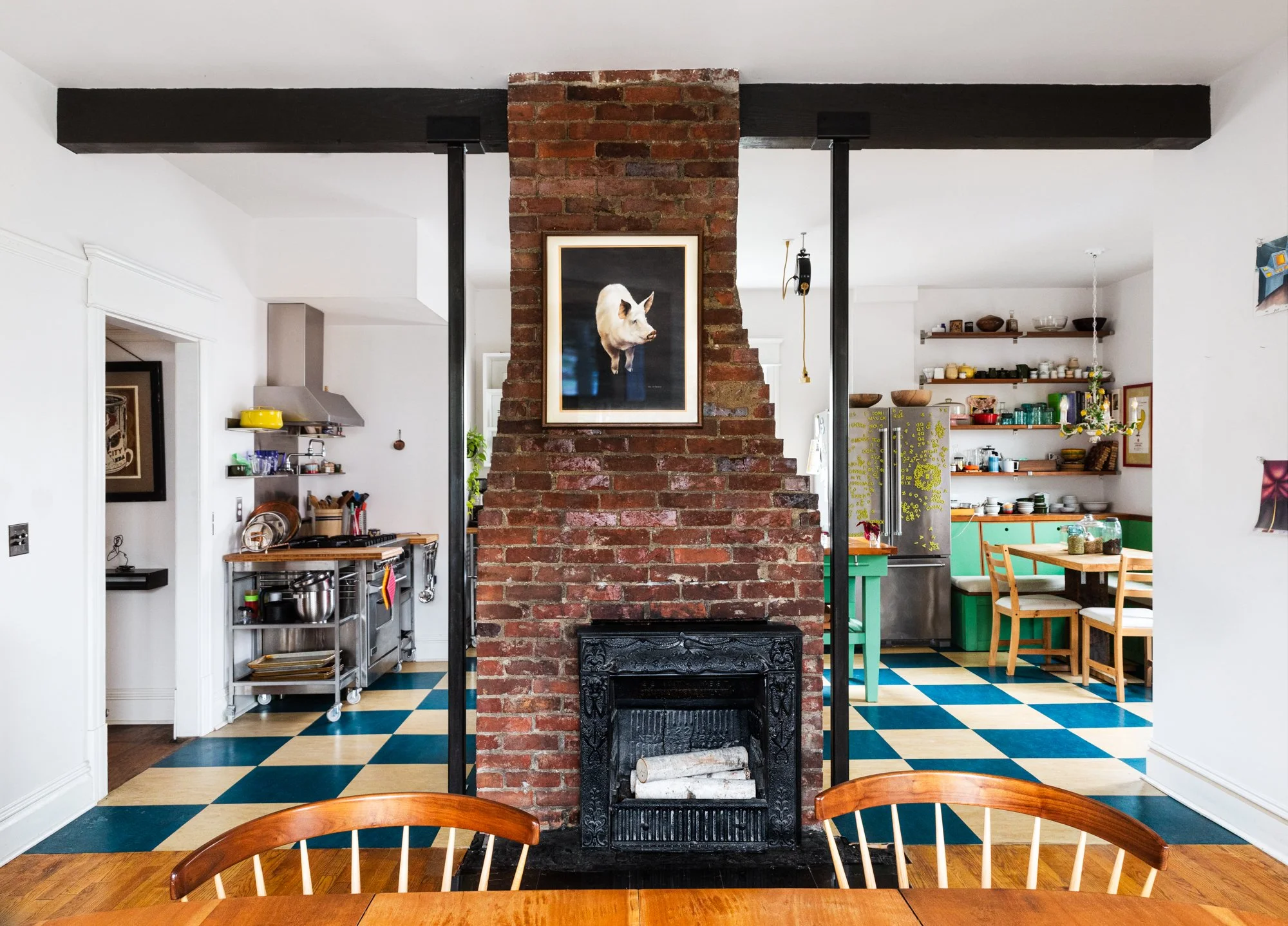
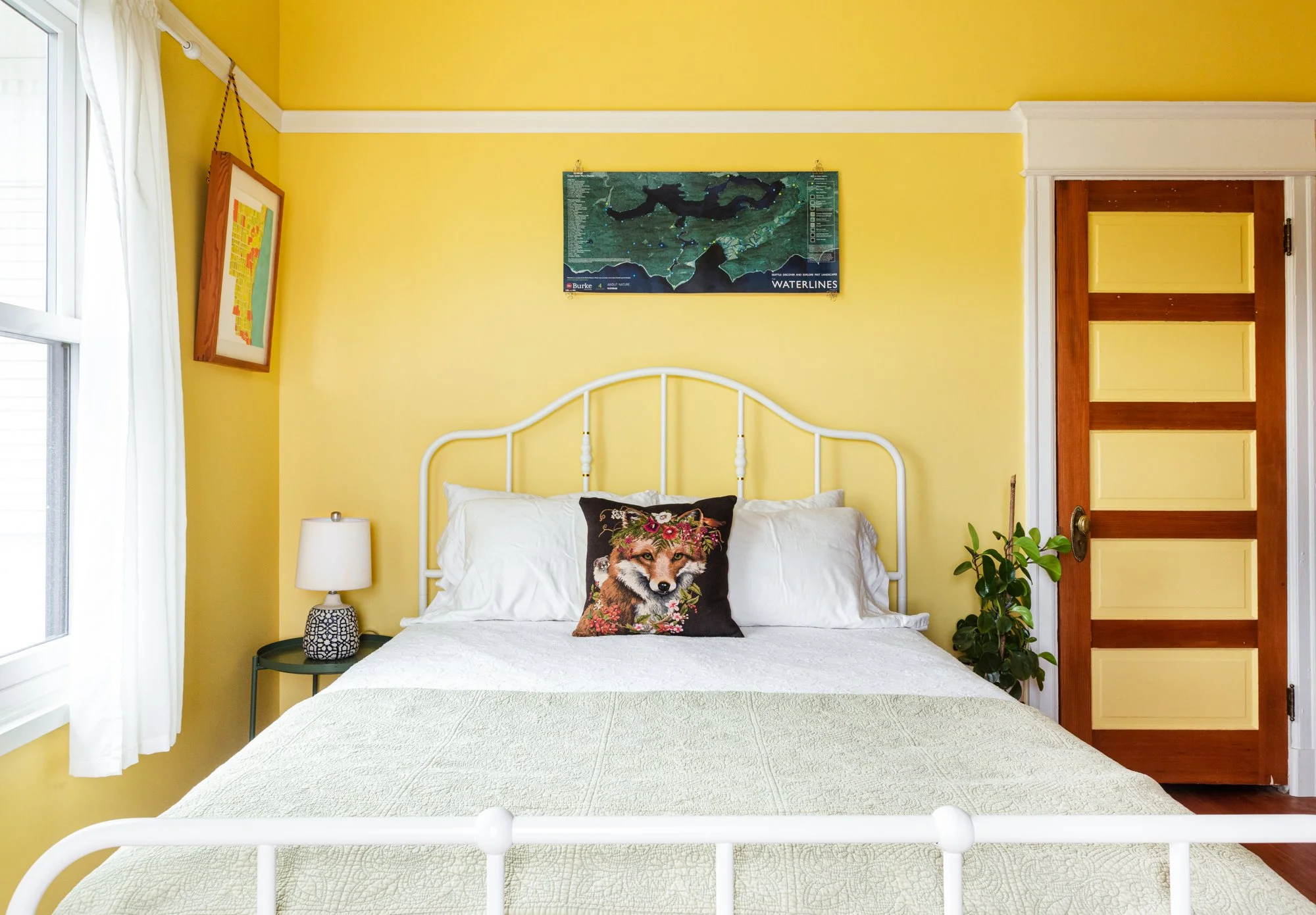
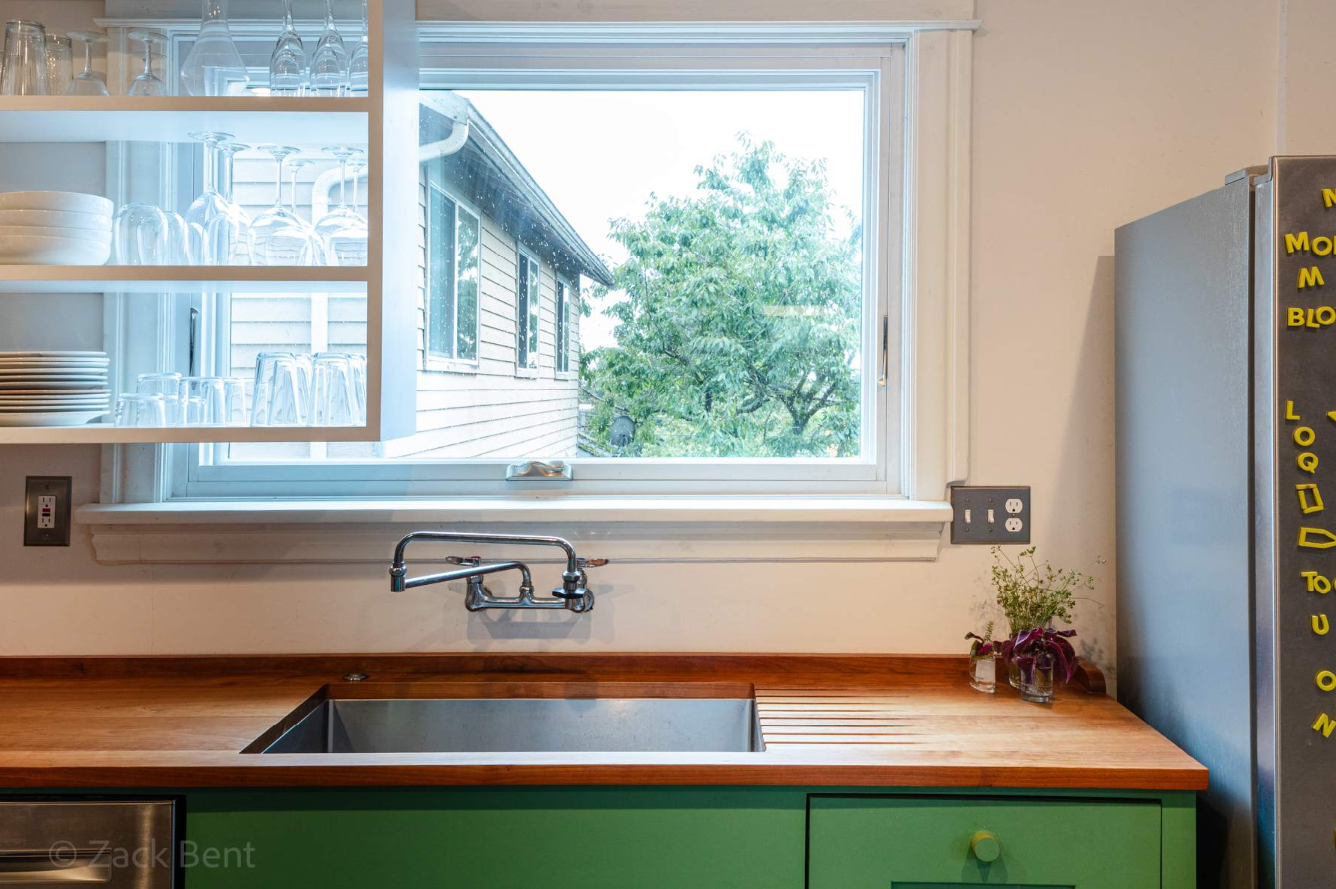
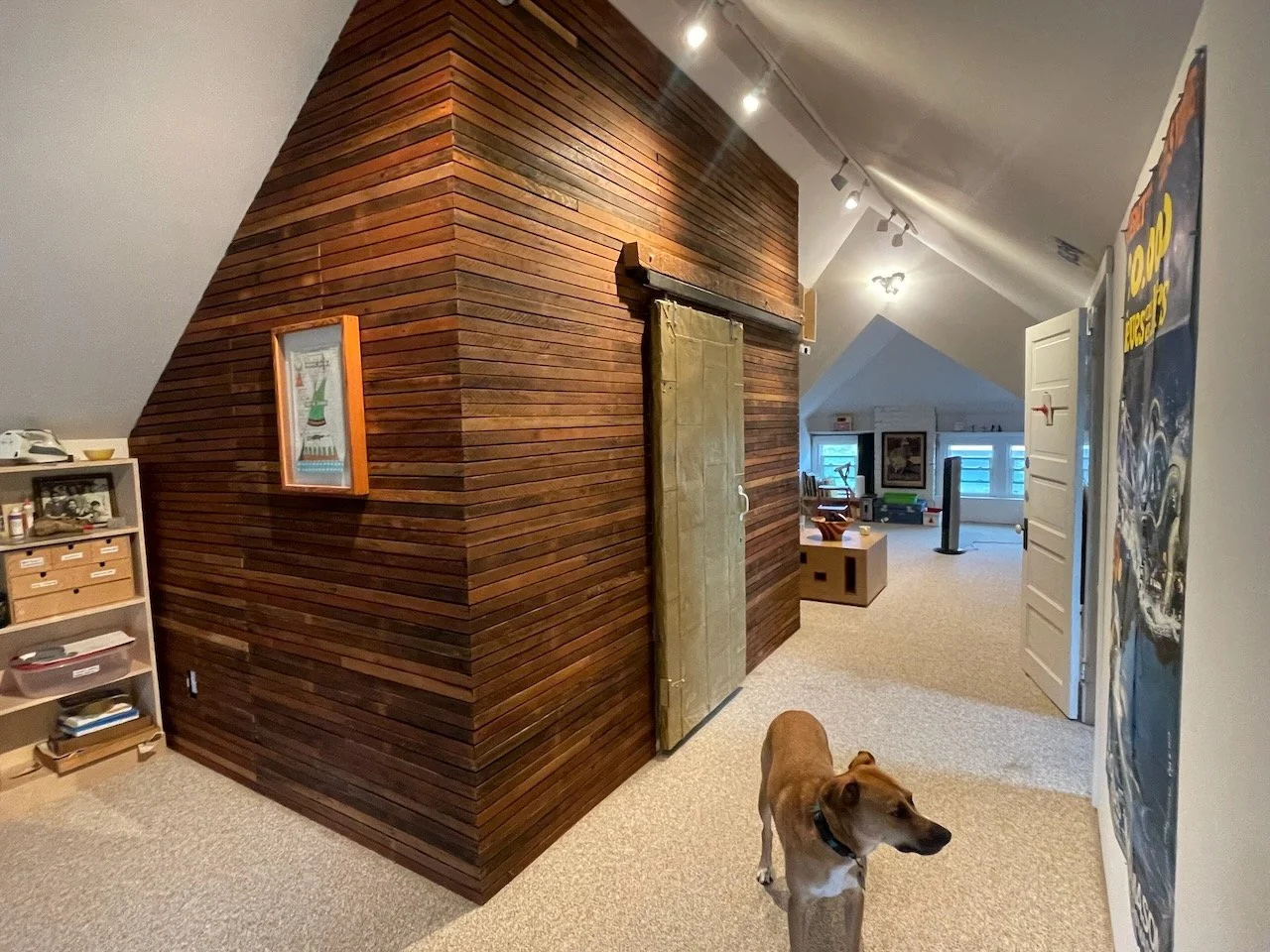
Historic Leschi Home
2765 South Washington Street, Seattle
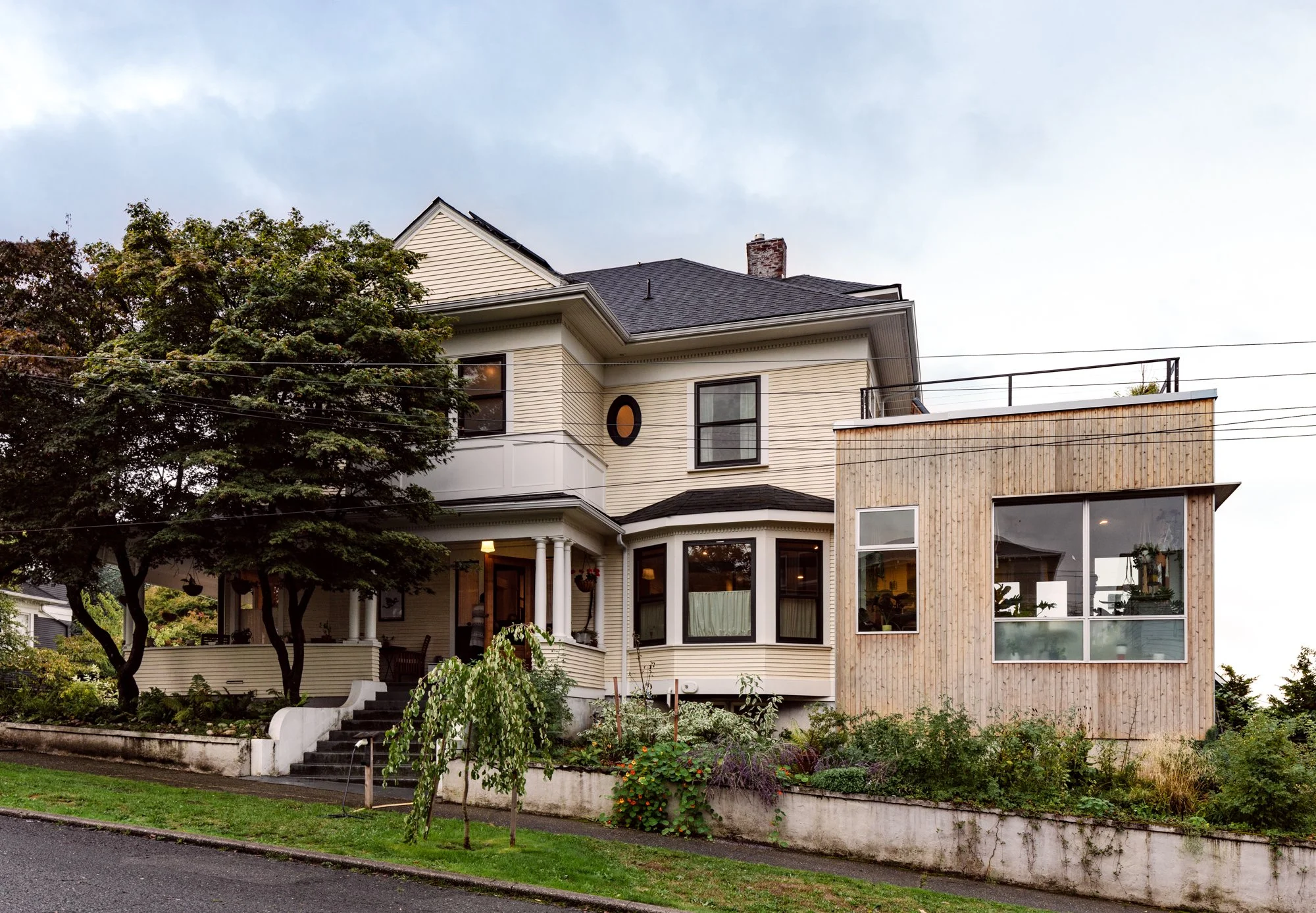
1904, Lovingly Rebuilt in 2020
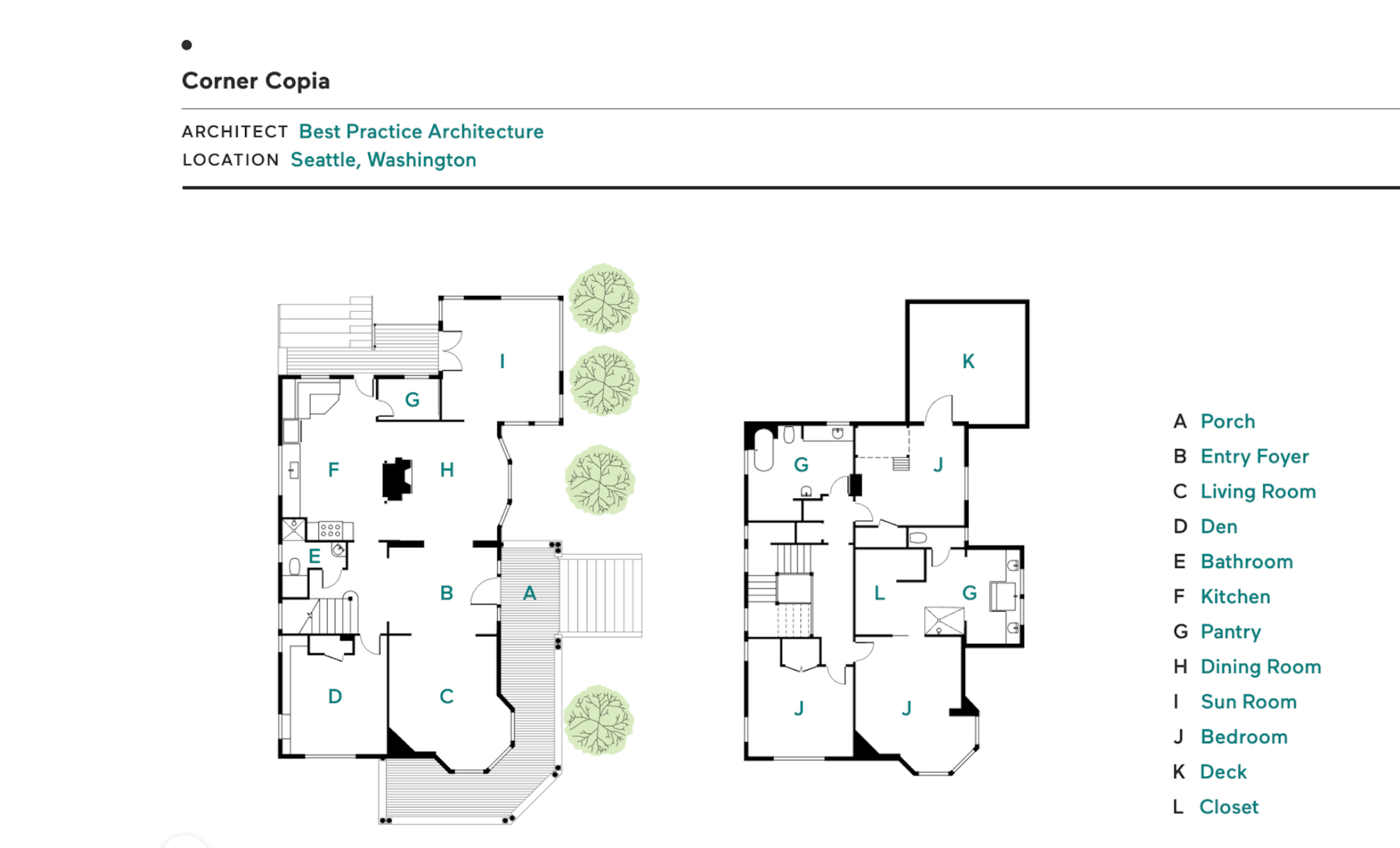
5 bed, 3 bath, 4,000 square feet
Three Primary Bedrooms
Two Offices (secondary bedrooms)
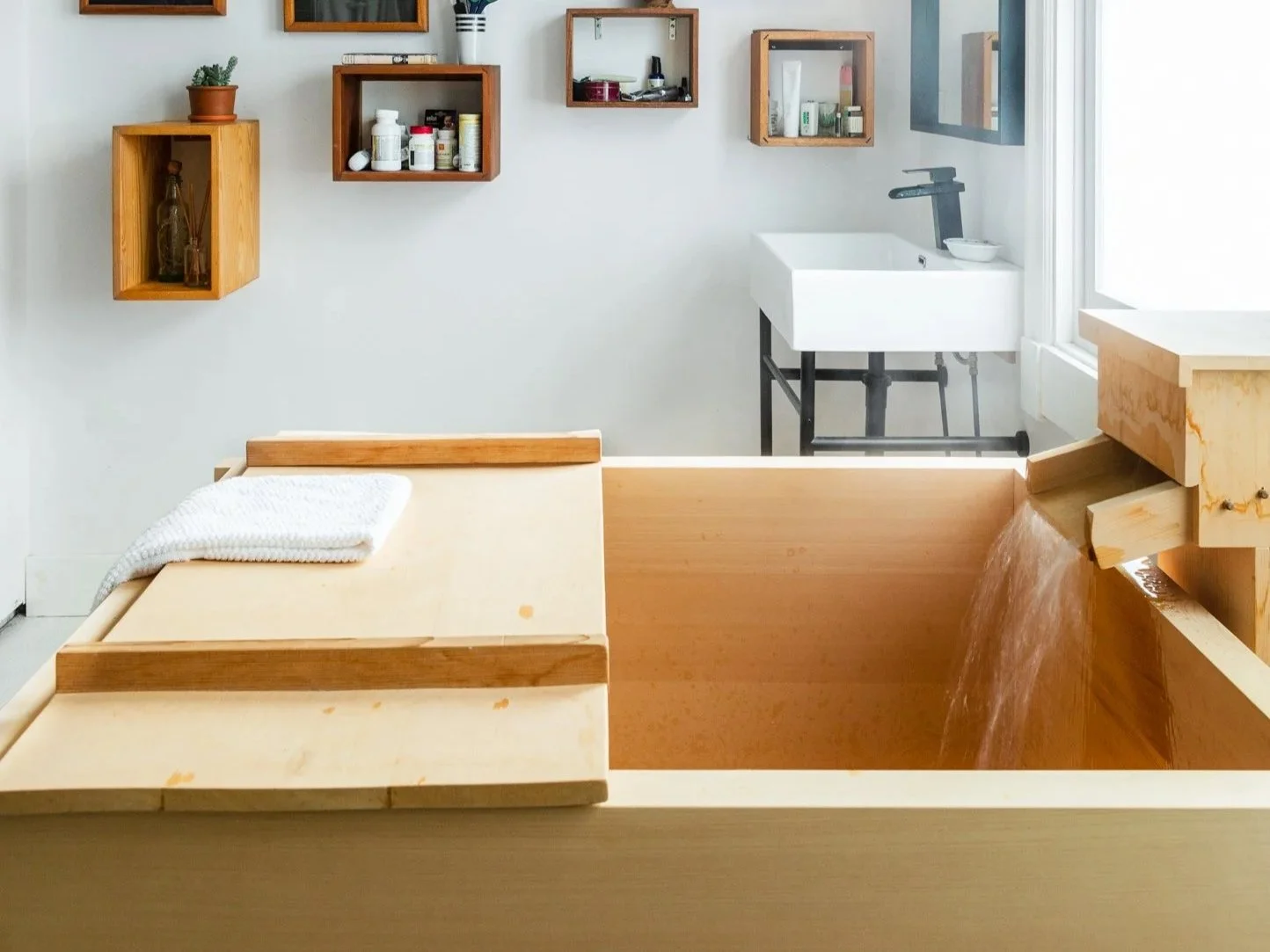
Three Full Baths
Home gym
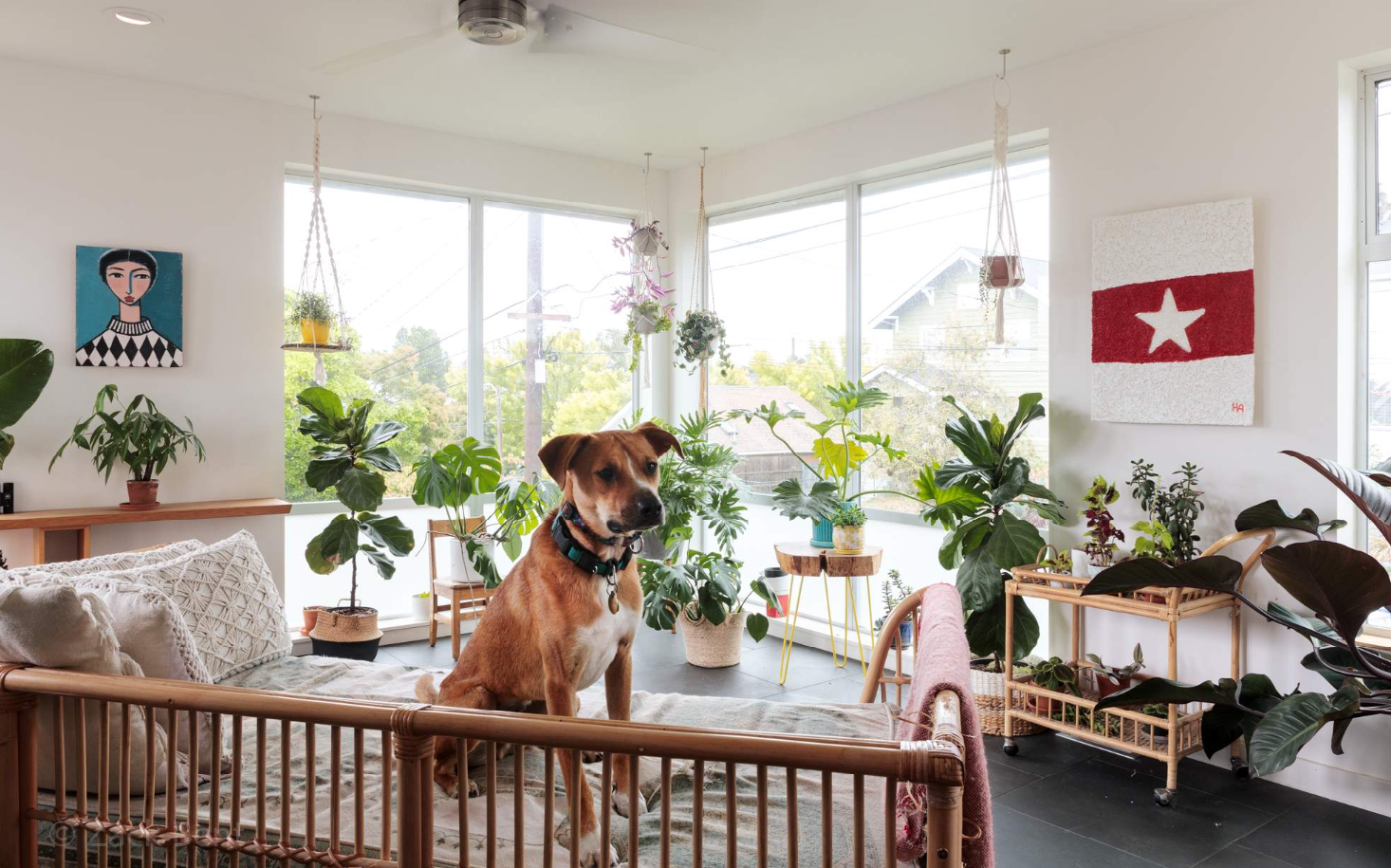
360-degree bonus sunroom
Three outdoor entertaining decks
Three full floors plus basement
All New House Systems (down-to-the-bones renovation)
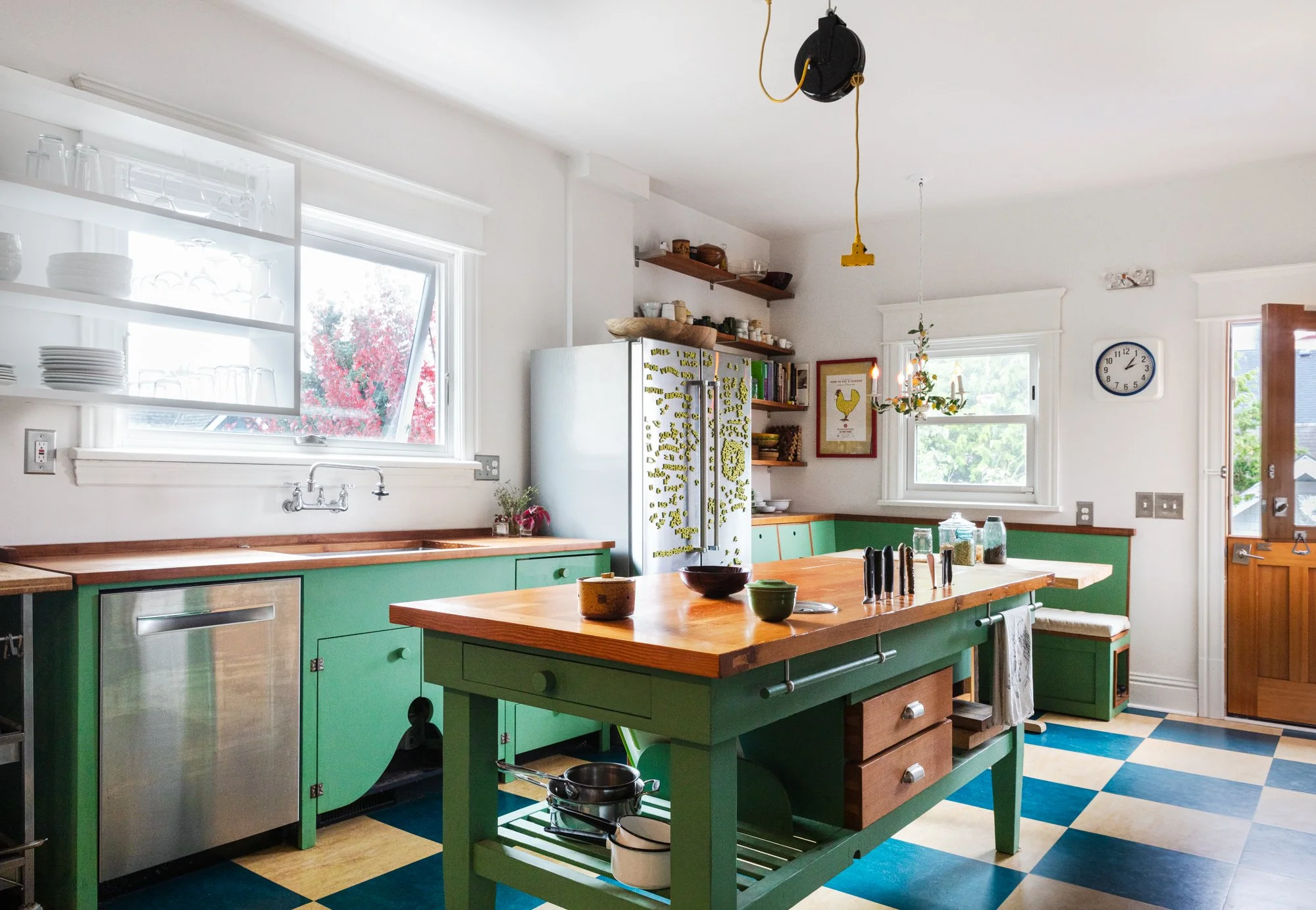
All new plumbing (no-wait hot water throughout)
All new electrical
32 Solar Panels, House Backup Battery, Car Charger
Two independent all-new furnaces (upstairs and down) and Air Conditioning (upstairs)
All new LED Lighting
All new spray-foam insulation
$6,850 monthly rent
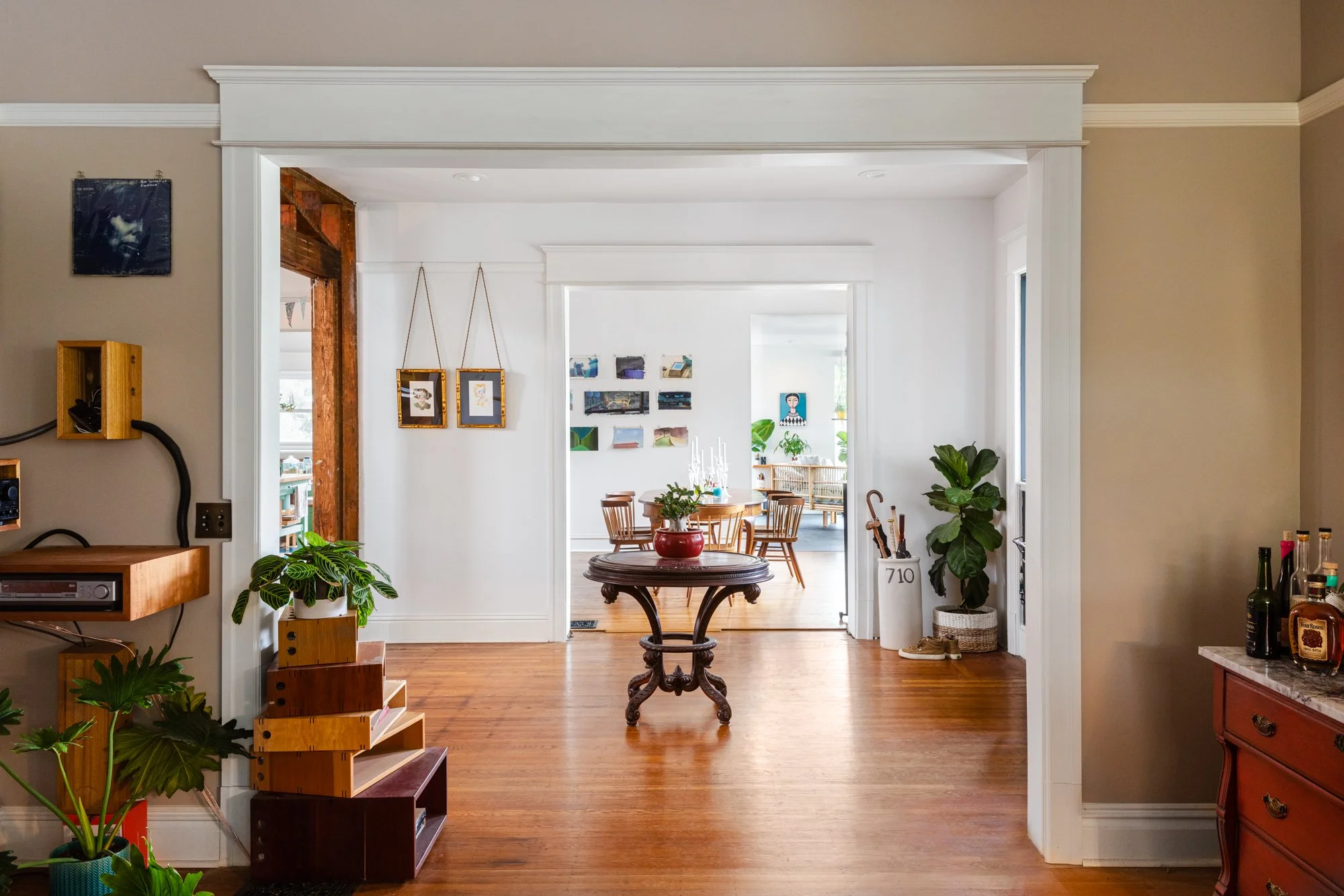
24-Month Term Preferred
Includes Quarterly Professional Gardening
Includes Monthly Housecleaning
Managed Directly by Owner
Tenant Responsible for Utilities
Rented Unfurnished
Good Dogs Welcomed (note that the yard is not fenced)
as featured in 
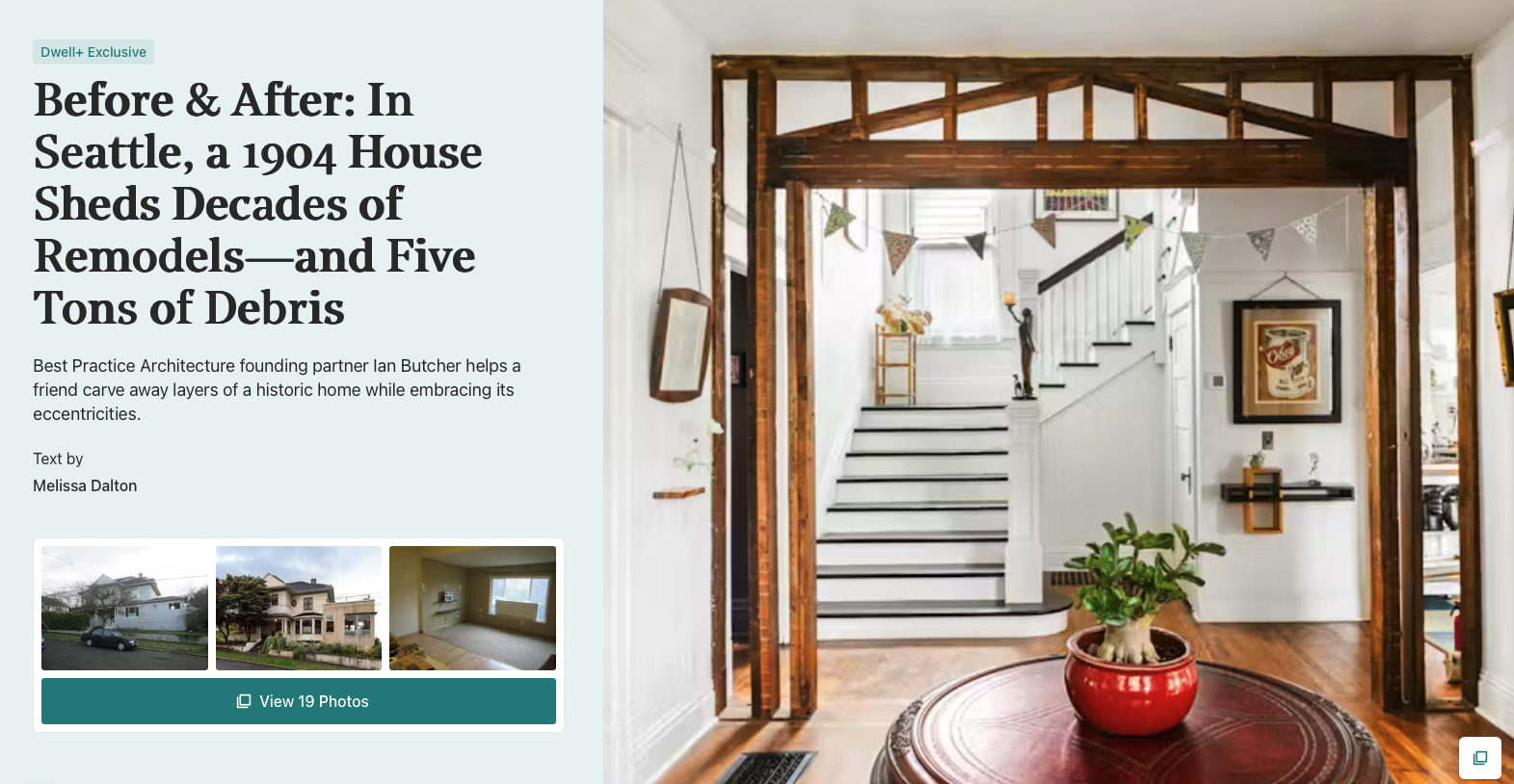
from the Dwell Magazine article:
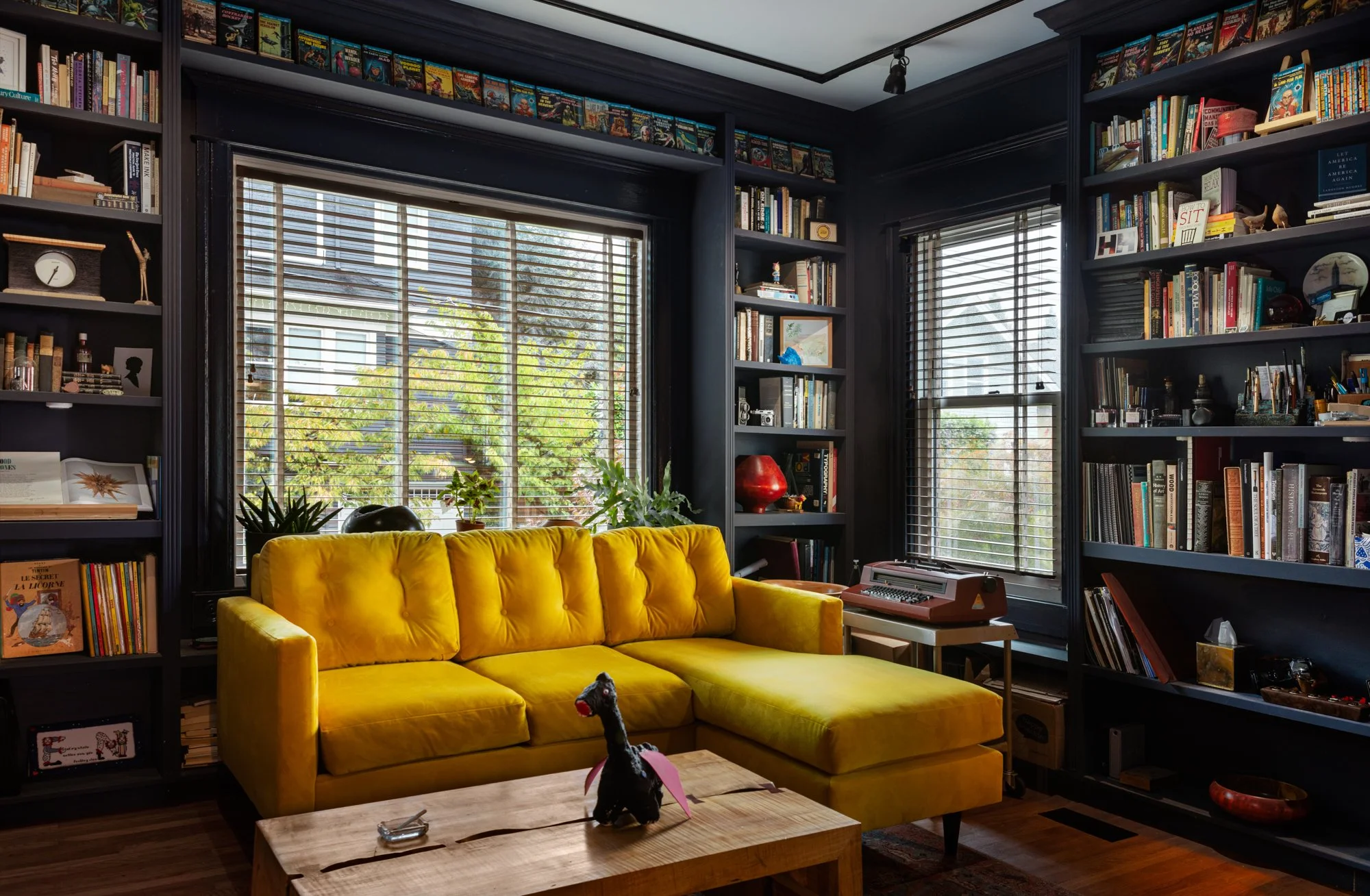
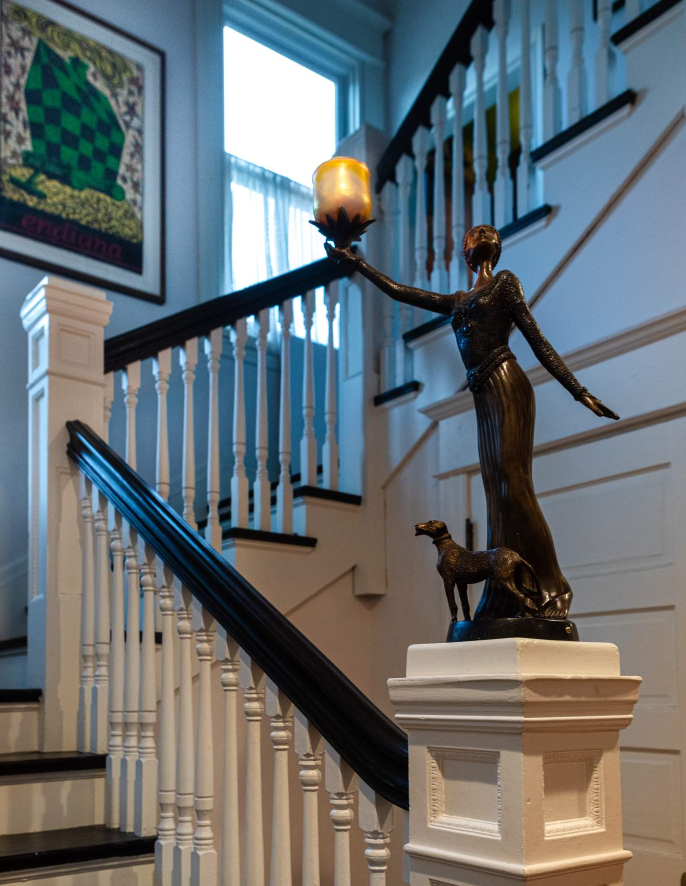
The house was originally built in 1904 by David Kauffman, a Jewish tailor and merchant who owned twelve acres that would later be platted as the Kauffman Addition. For decades, the home served as a single-family residence with details such as deep front window seats and a bronze figurine holding a torch on the staircase newel post. From the 1950s onward, the building underwent a succession of changes, becoming an elderly care center, a Buddhist retreat and bookstore, and finally, a series of individual rooms for rent, with every door besides the kitchen fitted with a lock.
"Even through all those interruptions, there was a grandeur and a scale that was really obvious in it," says Matthew. After purchasing the property, they reached out to friend and architect Ian Butcher, founding partner of Best Practice Architecture, for a collaborative remodel.
The end result is a home rich in history—but it’s worn on the 120-year-old bones rather lightly. "When we finished the demolition and realized we had just taken literally five tons of debris away from the structure, Ian said it was like the old house had a chance to breathe again, a chance to stretch and shake and sort of roll its shoulders," says Matthew. "We tried really hard throughout the rest of the project not to weigh it down again, to let it remain in that kind of weightlessness."